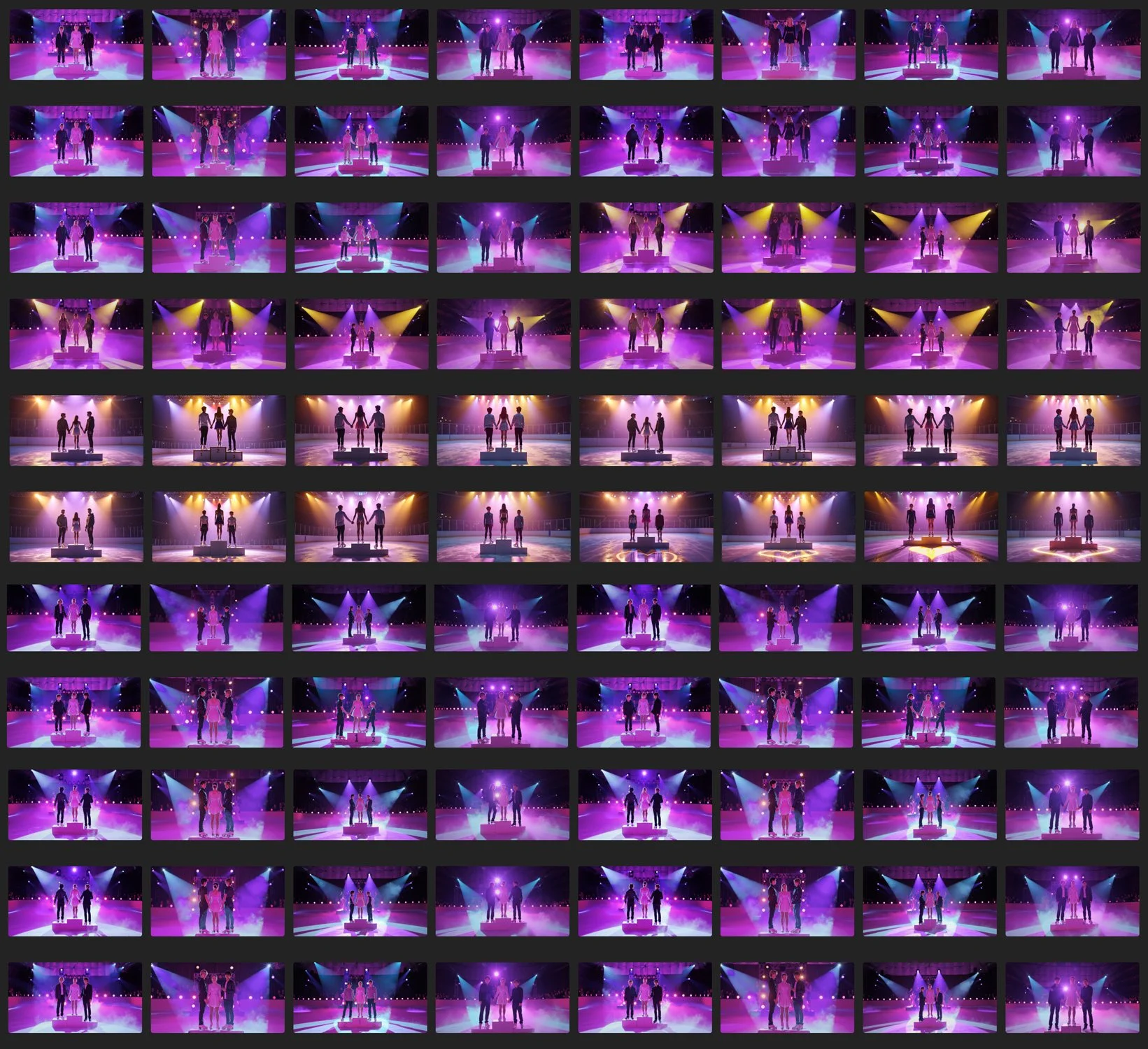
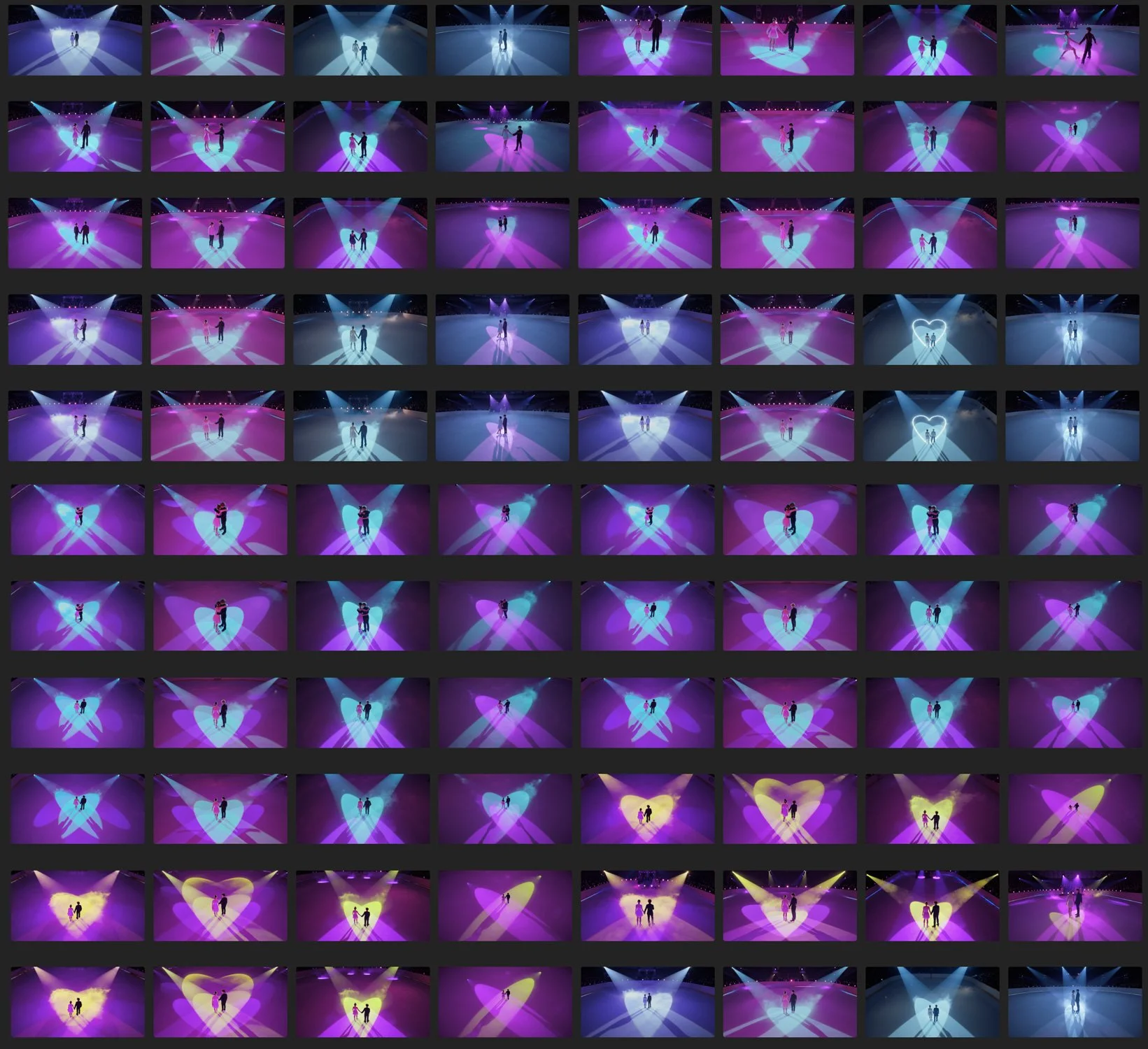
Generative Story R+D
Exploring generative tools for storytelling, concepting, and filmmaking.

Compass
Compass is a system for understanding how inner experience becomes action. It explores how awareness, emotional capacity, and orientation shape the choices we make — and how those choices unfold into the realities we live within.

Projection
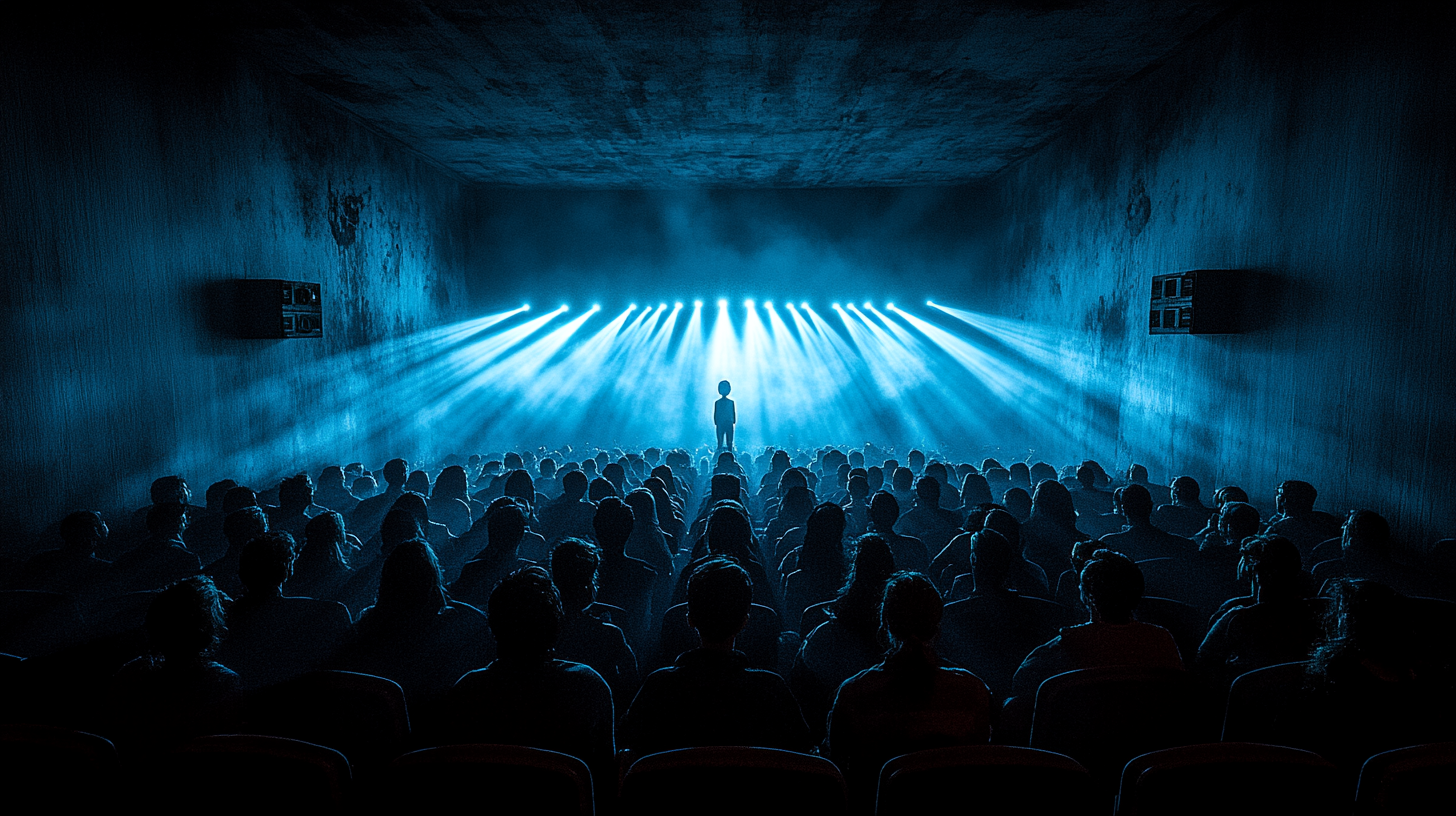
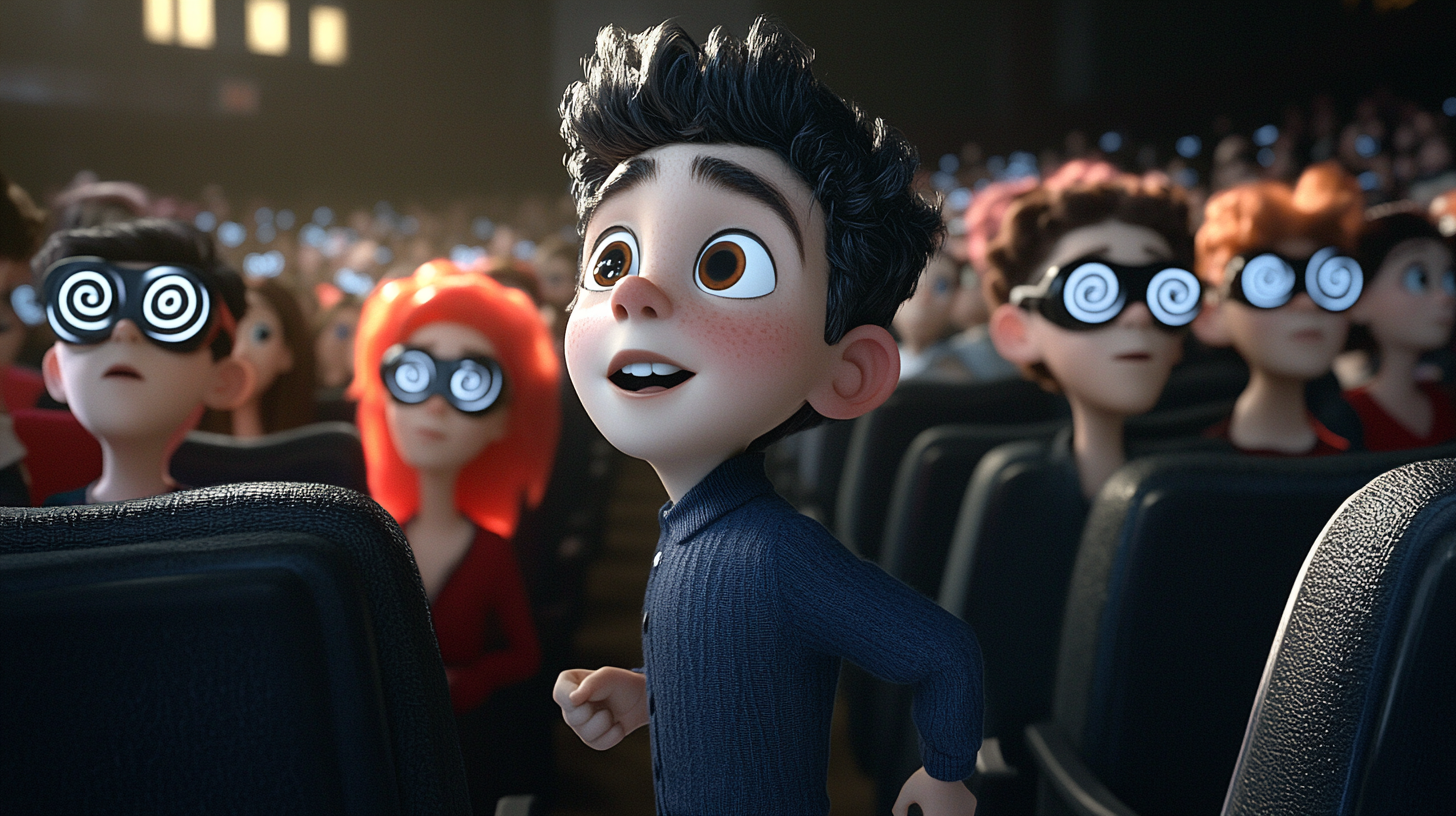
Projection reimagines Plato’s Cave inside a movie theater where each viewer’s internal experience is projected onto the screen.
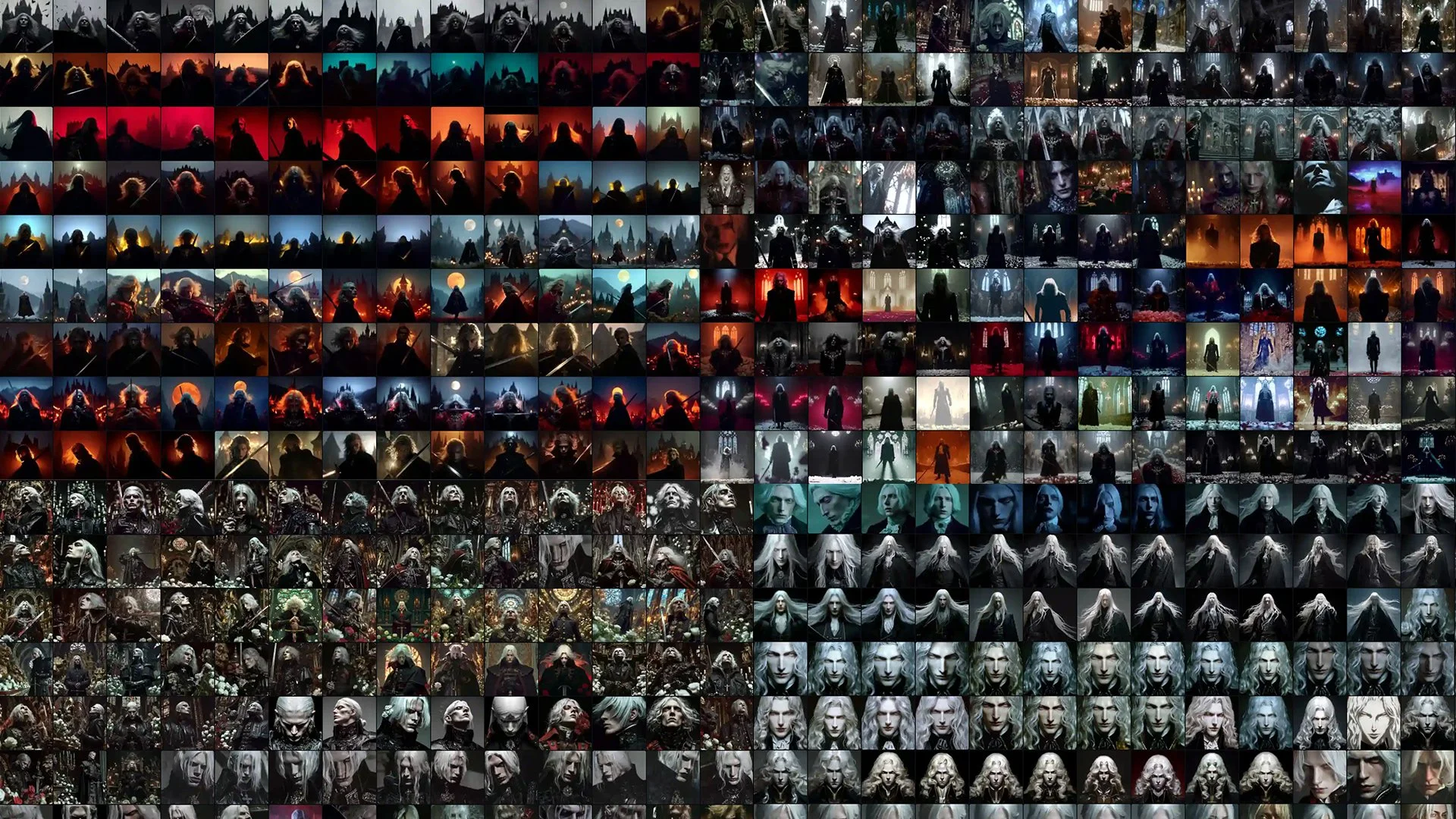
Commercial Workflow
Generative tools are used to prototype visual directions and communicate ideas earlier in the campaign process.
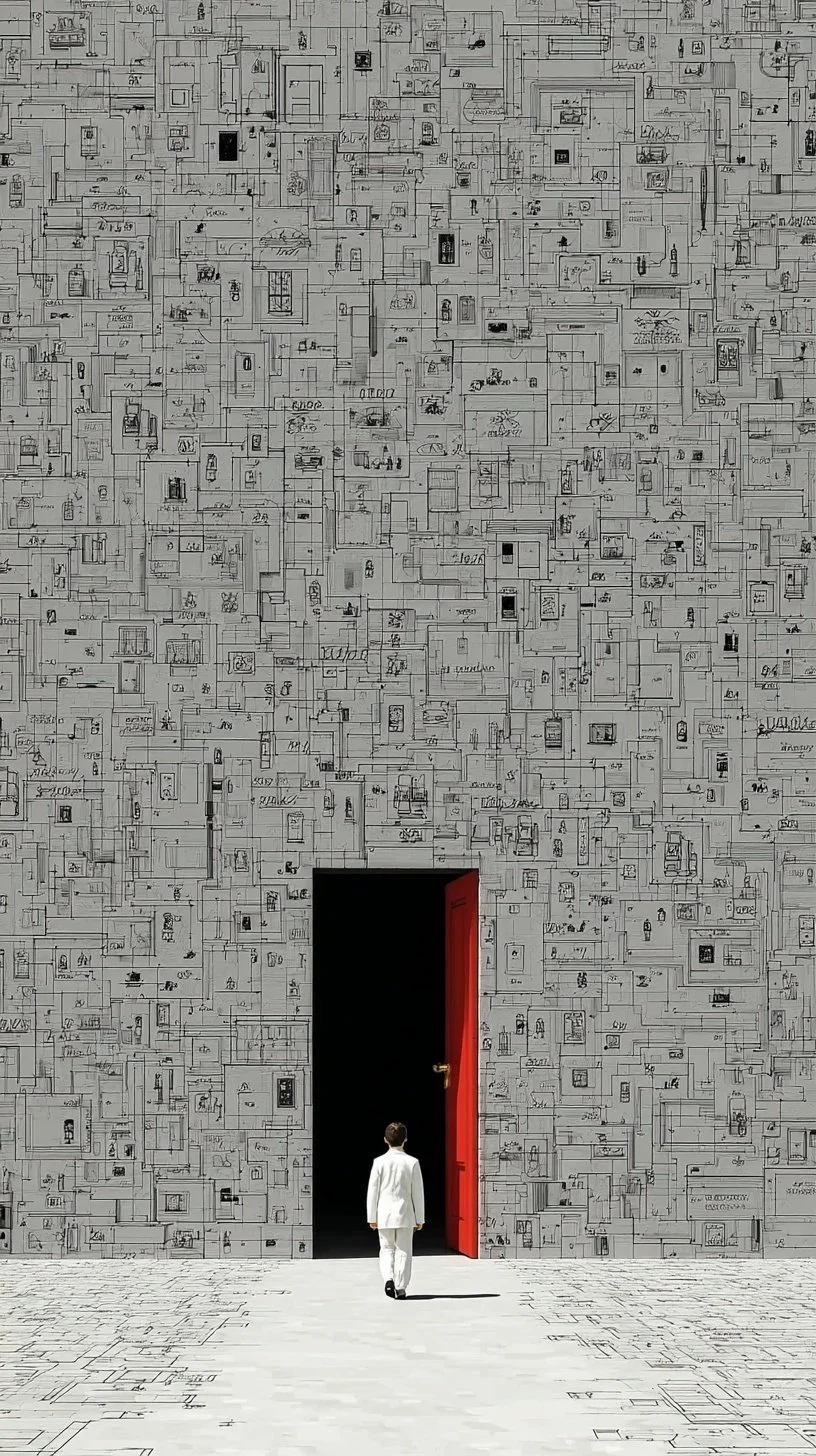
Compass
A framework for navigating inner experience.
SEQUENCE
(Emergence of experience)
FIELD
(Where choice becomes possible)
TERRAINS
(Where experience is lived)
-
Compass is a conceptual system I’ve been developing over the past seven years through extensive journaling, reflection, and inquiry into how human experience unfolds from the inside out.
At its core, Compass explores how awareness, emotional capacity, and orientation shape the choices we make — and how those choices ripple outward into our relationships and the world around us.
The project began with a simple observation: the conflicts we see in the world often mirror conflicts we carry within ourselves. Compass exists as an attempt to better understand that inner terrain — not to eliminate difficulty, but to illuminate the invisible processes through which thoughts, emotions, and impulses become actions.
Rather than prescribing beliefs or behaviors, the system functions as a navigational map. By making these inner dynamics visible, Compass expands the field of agency from which meaningful choices can emerge.
The hope behind the project is straightforward: that greater clarity, responsibility, and compassion within individuals can gradually translate into greater coherence in the shared world we create together.
-
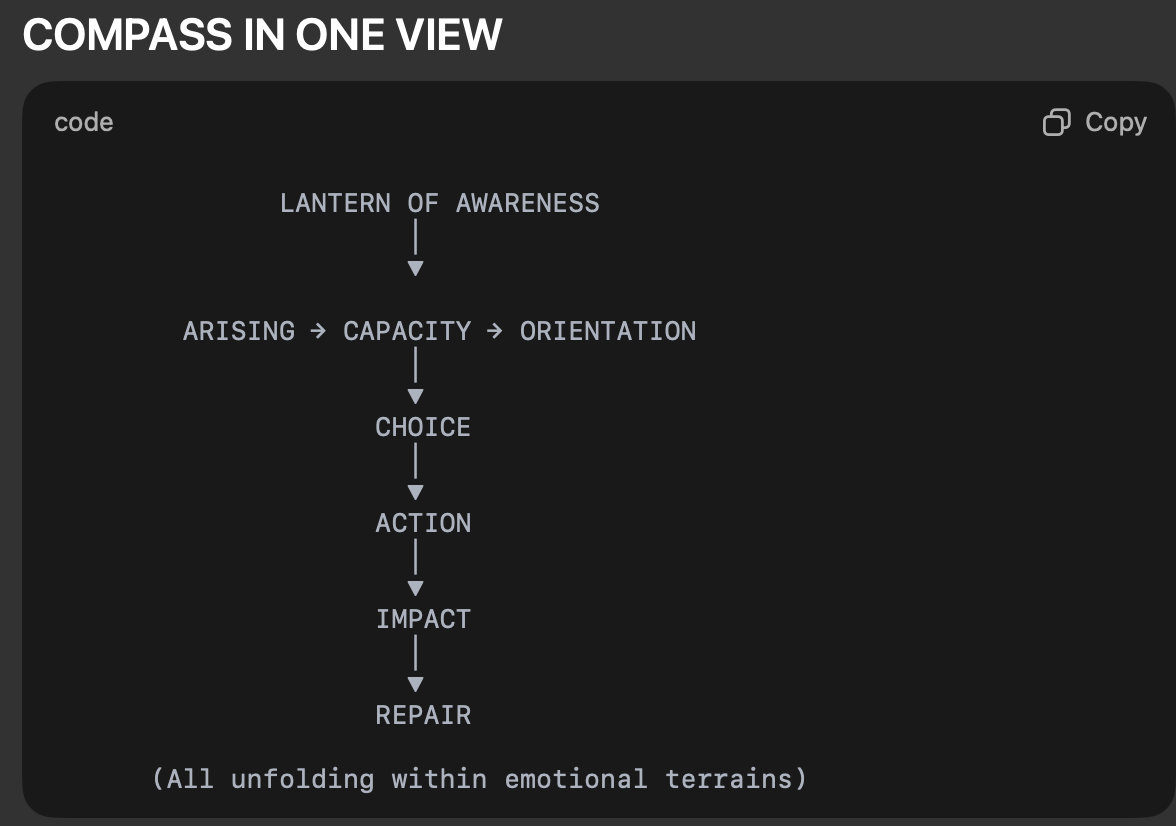
Human experience unfolds through an ongoing interaction between:
Arising (what can be seen)
Capacity (what can be held)
Orientation (how we relate)
Choice (visible options)
Action (what is expressed)
Impact (what is felt by self/other)
Repair (how coherence is restored if necessary)
Emptiness → Arising → Capacity → Orientation → Choice → Action → Consequence → Reverberation
-
Definition
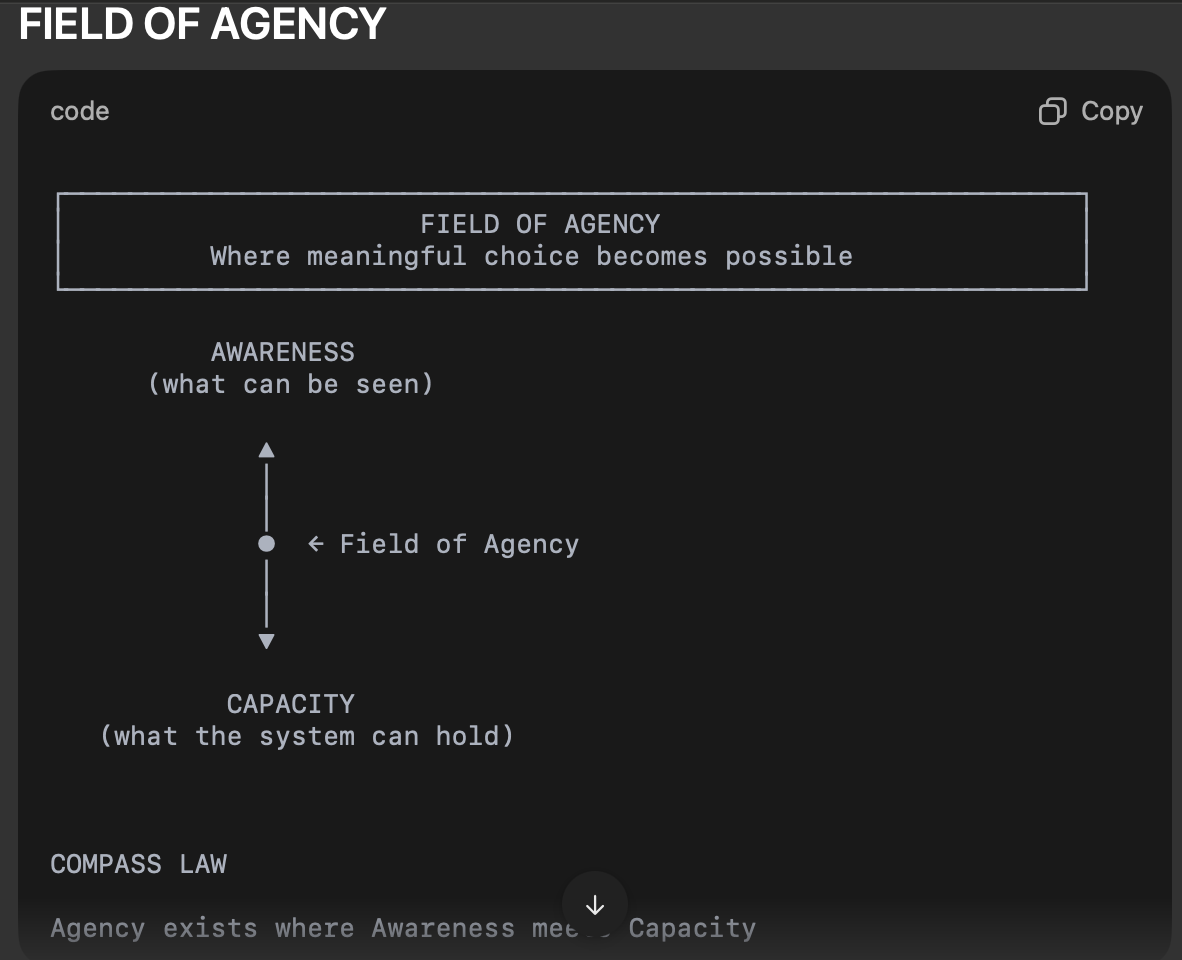
The field of agency is where choice lives . This agency exists where awareness meets capacity.
Awareness — what can be seen
Capacity — what can be held
Together, they define what is possible in a given moment.
Constraints
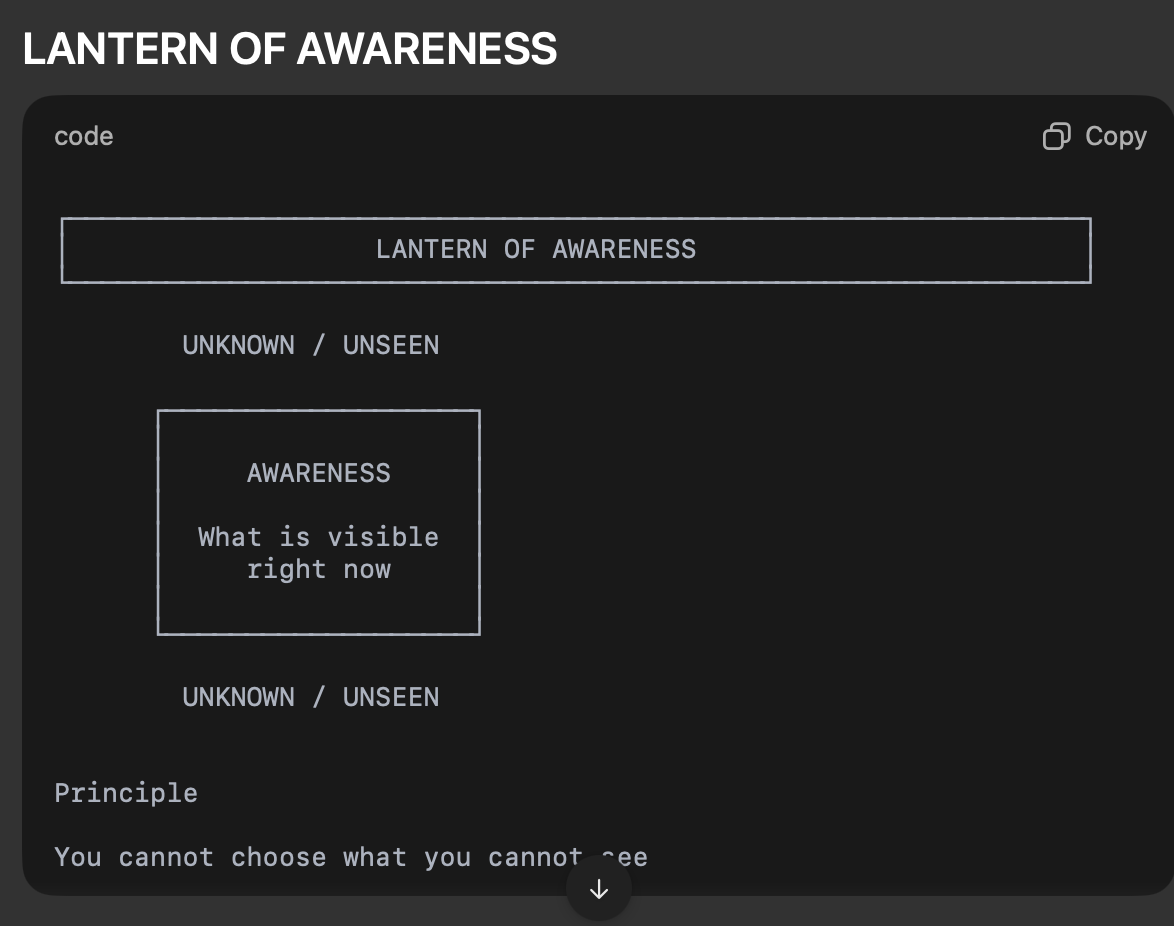
You cannot choose what you cannot see.
You cannot see beyond your current capacity of the moment.
Dynamics
Awareness without capacity → insight without change
Capacity without awareness → habit / autopilot
Awareness + capacity → choice becomes possible
Function
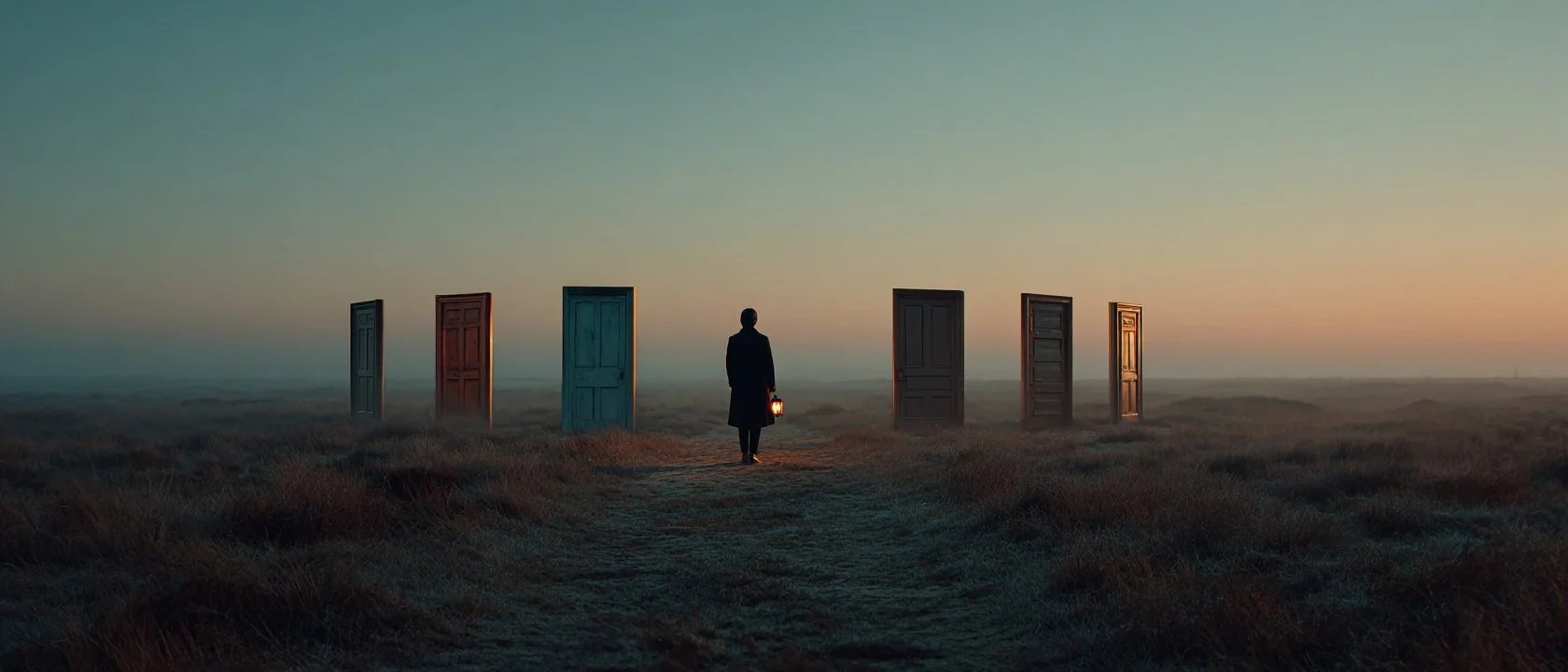
Awareness functions like a lantern — it illuminates a portion of experience but never the whole field.
What is lit becomes visible, and what is visible becomes potentially choosable. What is outside this lit scope of awareness is unknown potentiality.
Capacity determines what the nervous system can actually hold and work with in the moment — shaped by factors like stress, emotional load, safety, and fatigue.
Awareness is the lantern. Capacity defines its reach.
-
Compass offers three interrelated tools:
1. Embodiment (Body Tool)
Regulates the nervous system and restores presence through:
Breath
Contact points (sensation)
Movement / Stillness
2. Inquiry (Mind Tool)
Clarifies thought-patterns and reduces identification:
Naming thoughts without fusing with them
Observing mental stories as passing clouds
Questioning assumptions
3. Choice (Heart Tool)
Orients action toward coherence and relational care:
Love vs Fear-based direction
Integrity over impulse
Long-term relational awareness
These tools operate in a loop:
Embodiment → Inquiry → Choice → Embodiment
-
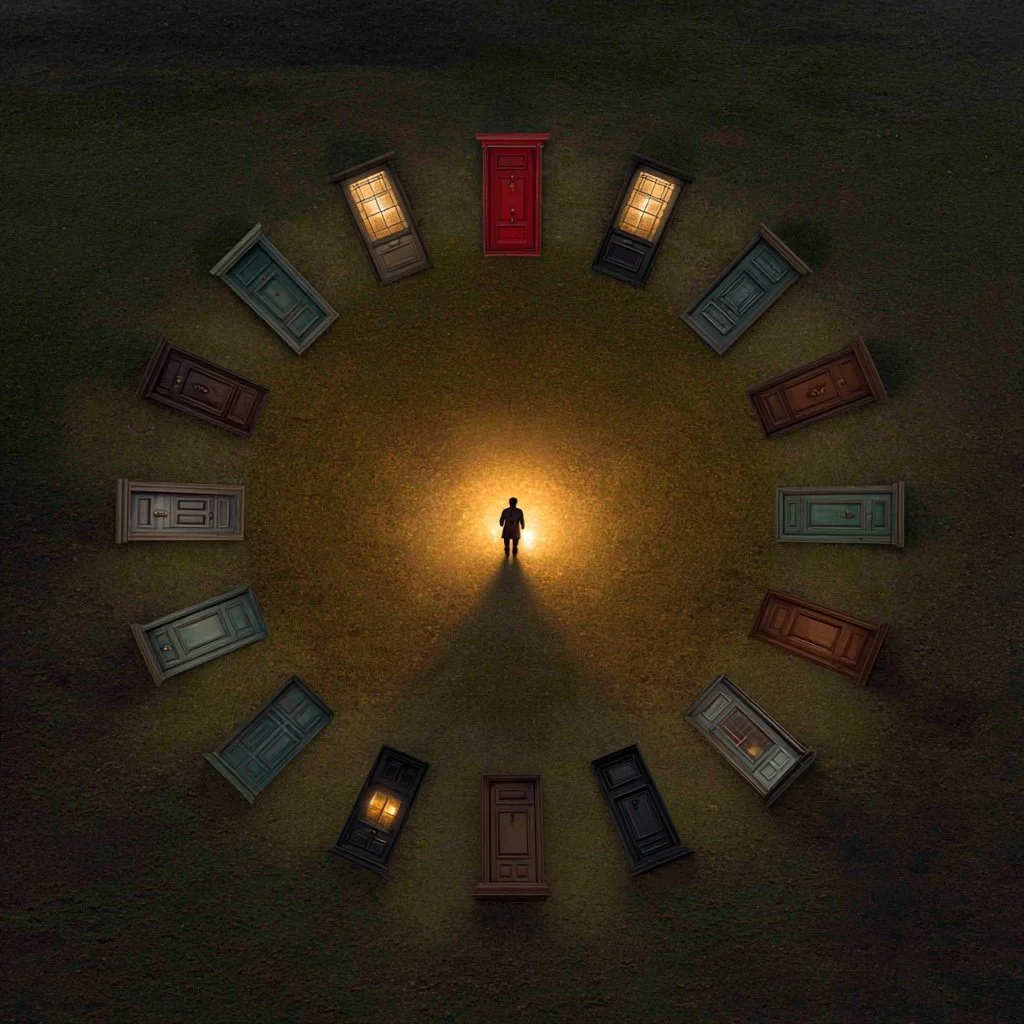
Compass organizes experience into seven universal life contexts called Terrains.
Terrains are not emotions themselves — they are the situational environments in which emotional “weather” arises.
The Seven Terrains
🌊 Ocean — emotional intensity, waves, cycles
🏜 Desert — emptiness, dryness, endurance
🌳 Jungle — overwhelm, complexity, too much
⛰ Mountain — striving, comparison, ambition
🌲 Forest — fear, uncertainty, not-knowing
🌾 Meadow — presence, simplicity, sufficiency
🔥 Fire — anger, loss, endings, transformation
How Terrains Work
We don’t move through terrains in a straight line.
Experience unfolds more like a spiral — we return to familiar terrains and recurring choice points, but with different levels of awareness.
At any given moment, we may also be in multiple terrains at once.
Like overlapping notes in music, these terrains combine into a single lived experience — a shifting, layered landscape rather than a single state.
-
AI-assisted reflective tools
Meditation and consciousness technology
Interactive learning environments
Creative frameworks for storytelling



Projection
AI short film exploring awakening.
Projection was created for the Runway 2025 AI Film Festival as a modern reinterpretation of Plato’s Cave.
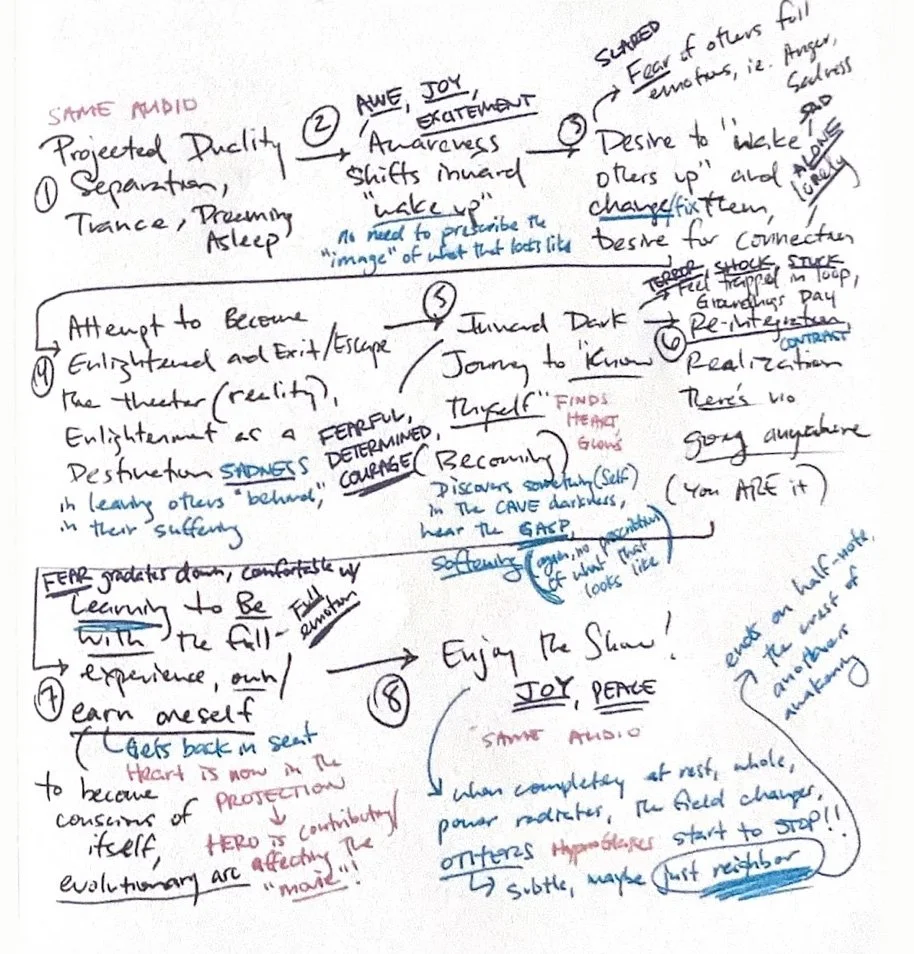
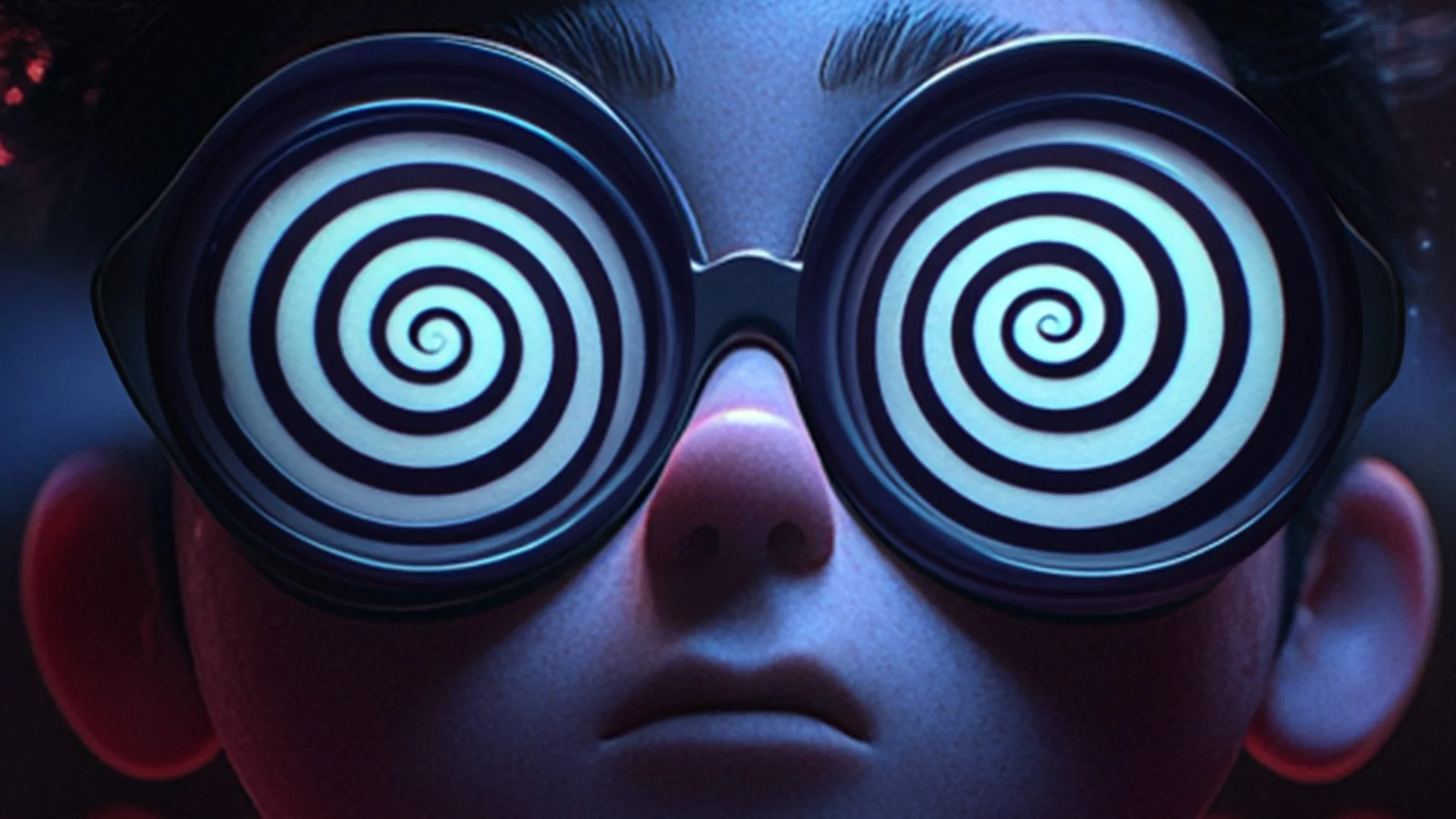
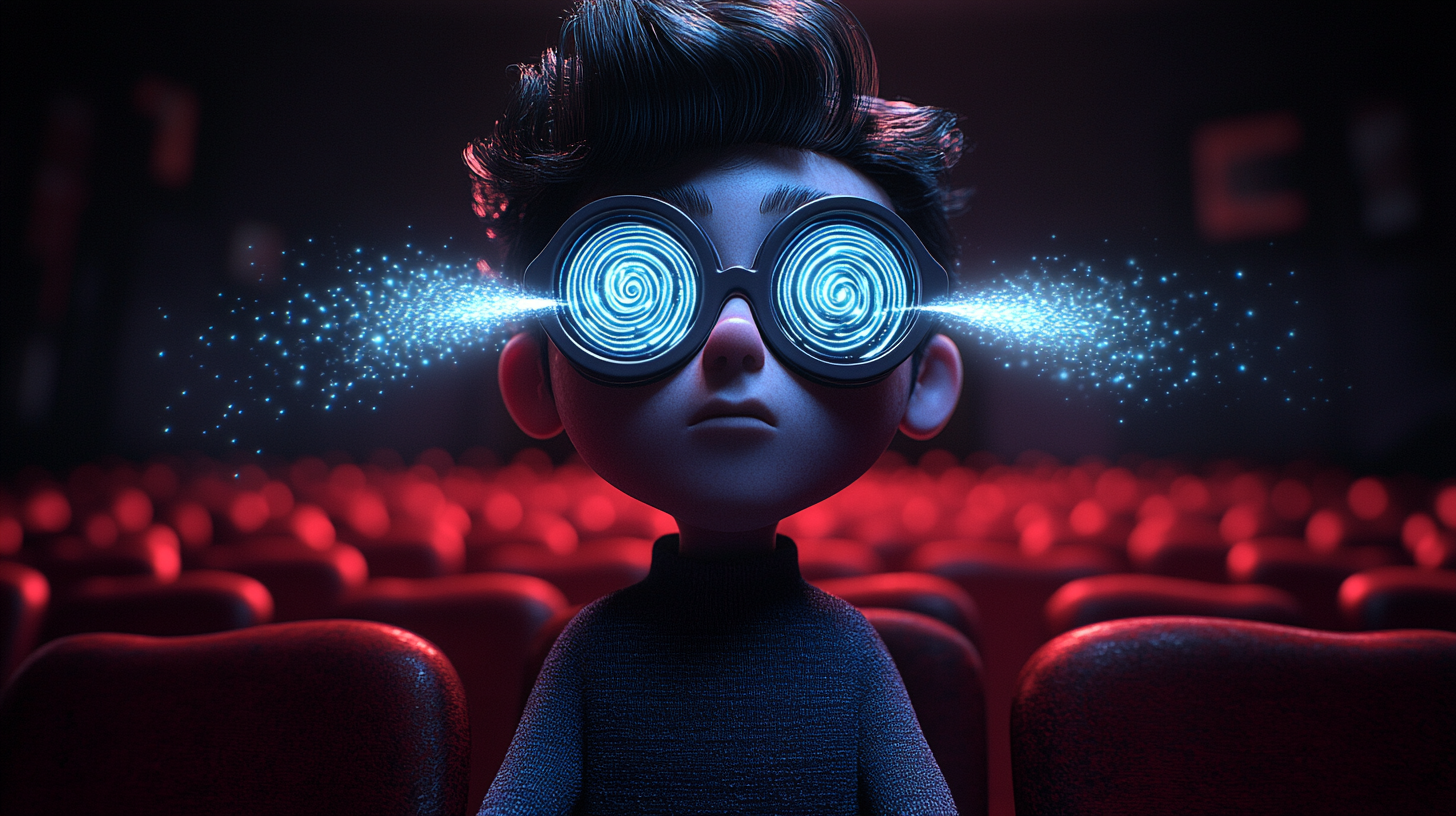
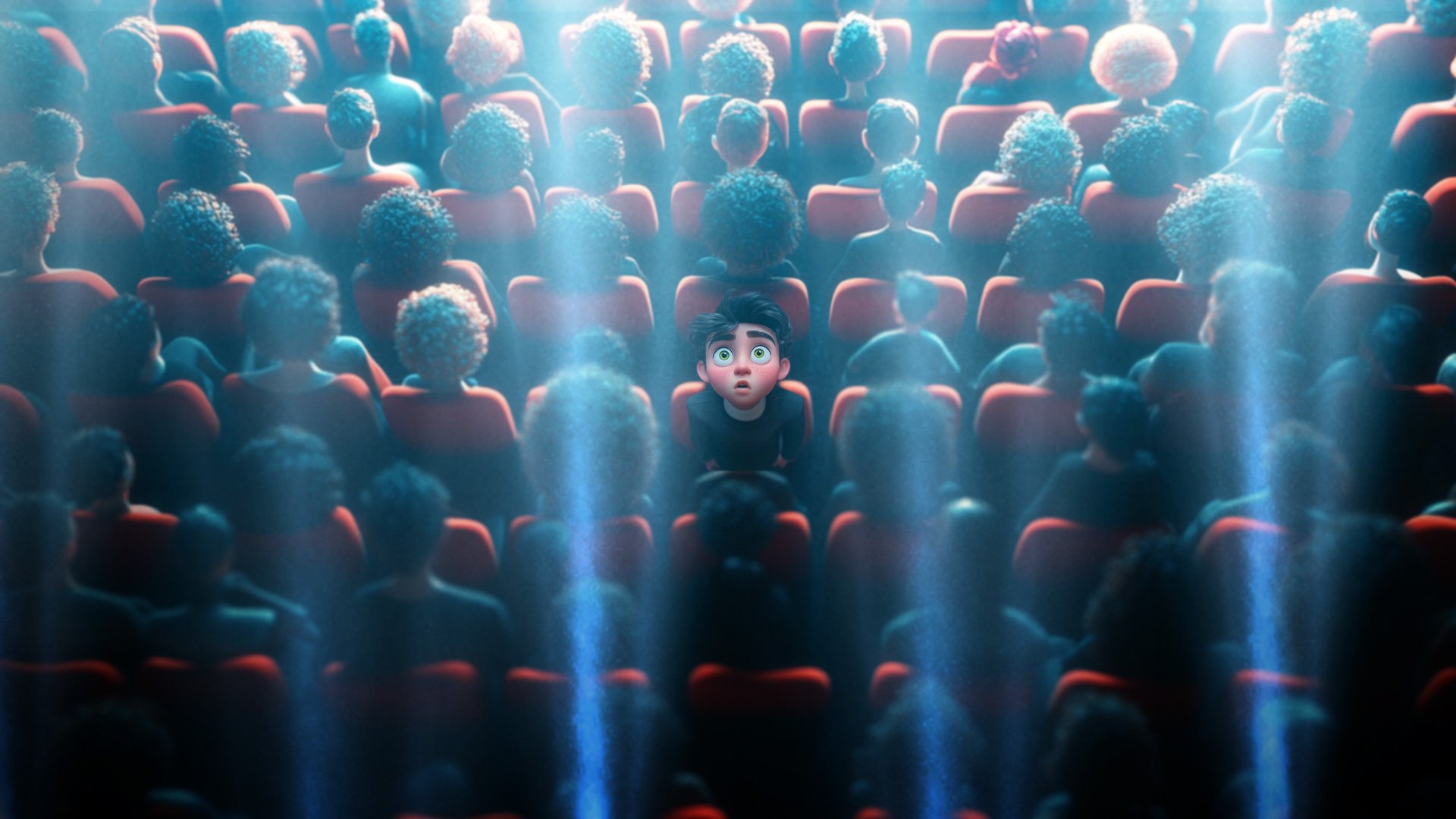
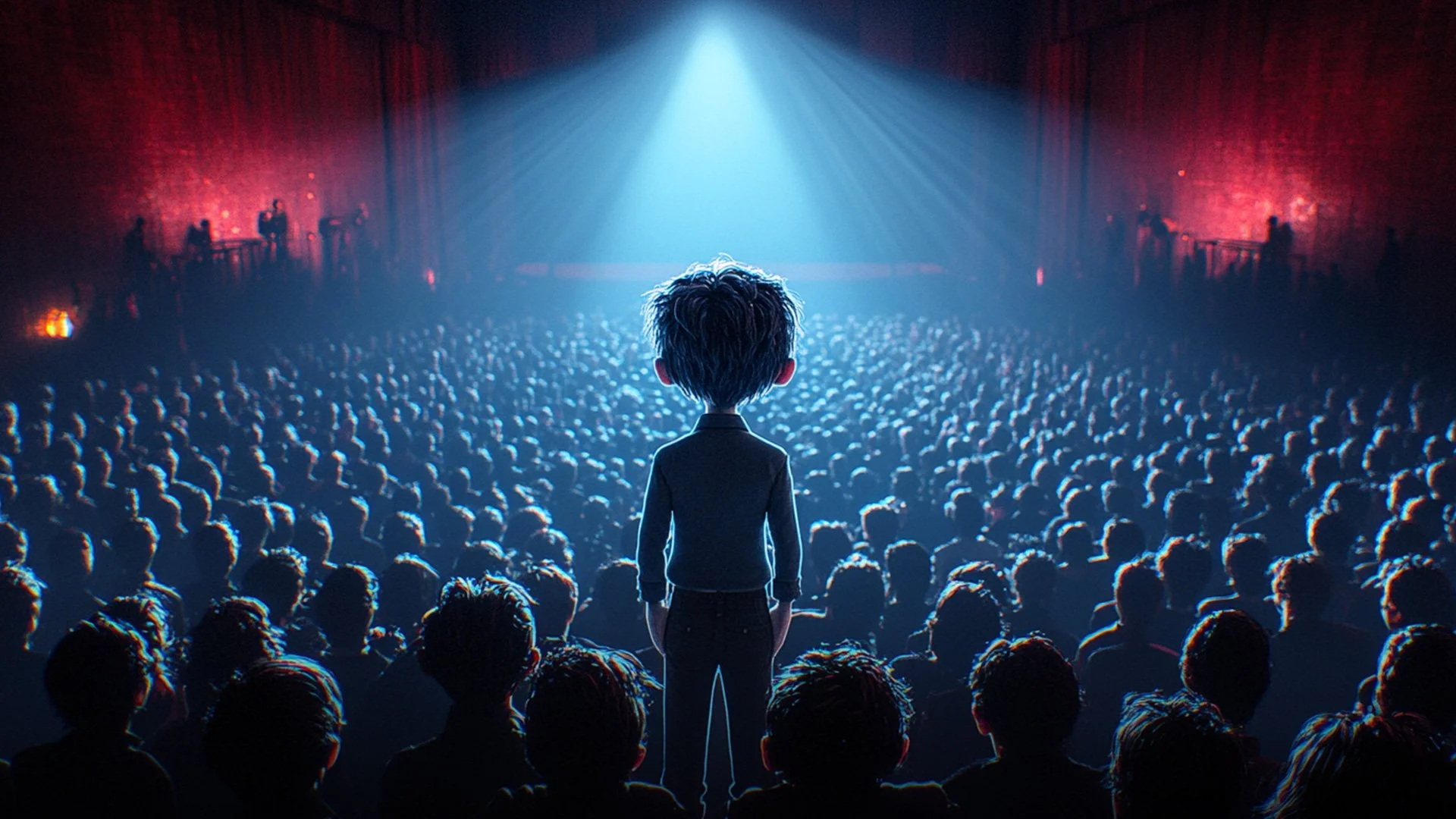
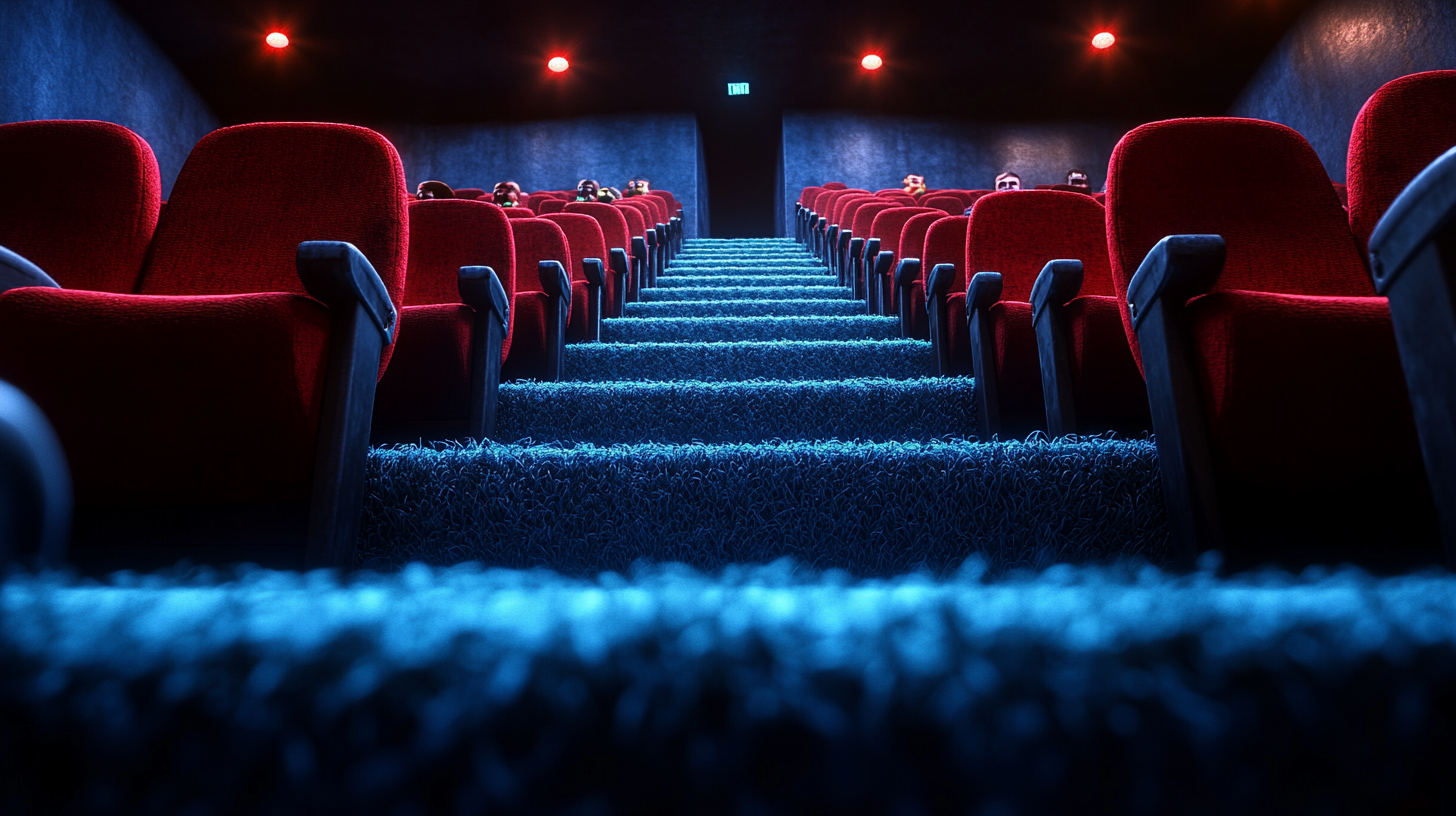
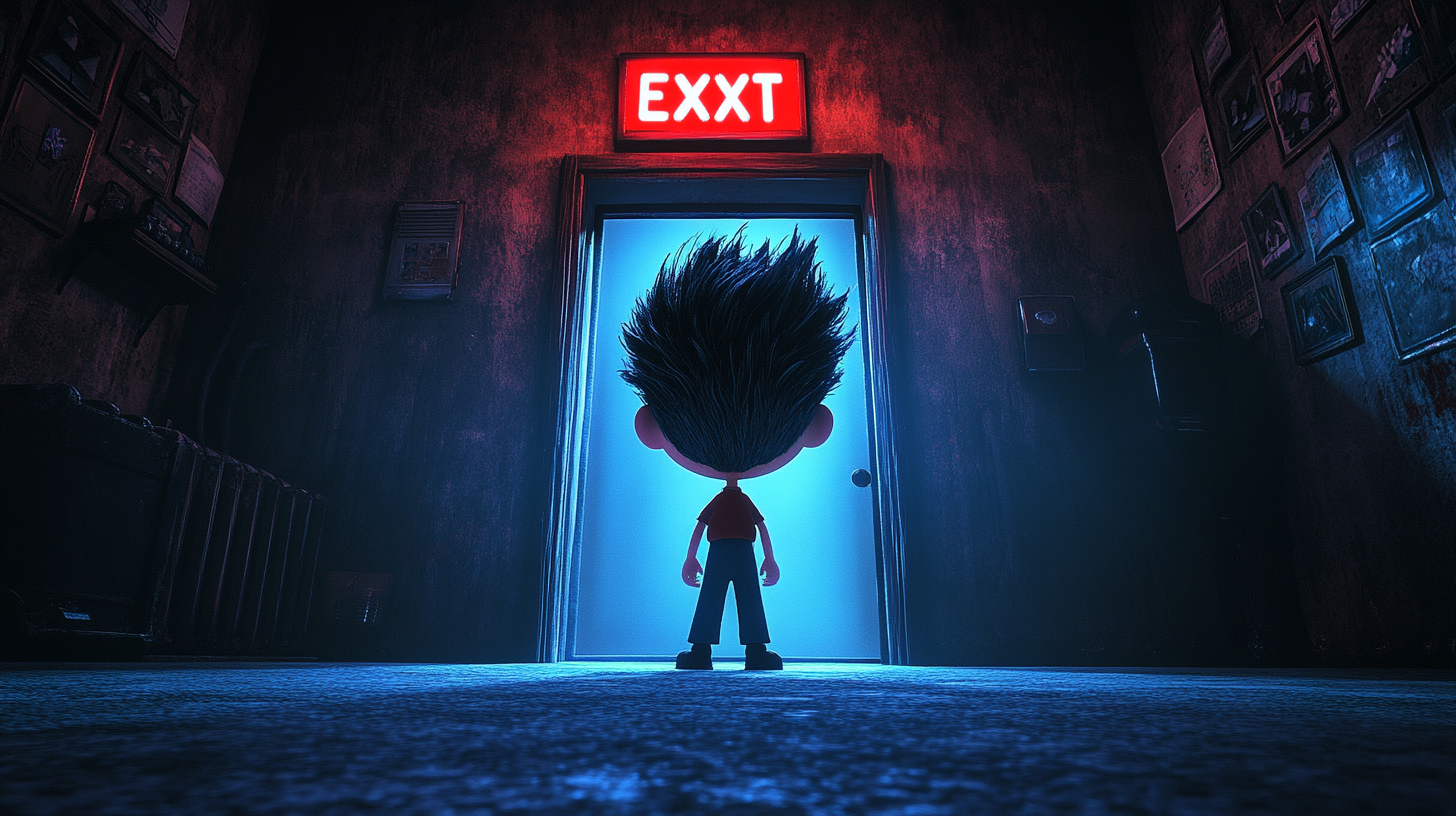
The story takes place inside a movie theater where every audience member wears spiraling hypnotic glasses that project their internal experience onto the cinema screen. One character awakens from the trance and attempts to alert the others, only to discover that awareness cannot be forced upon those who are not ready to see.
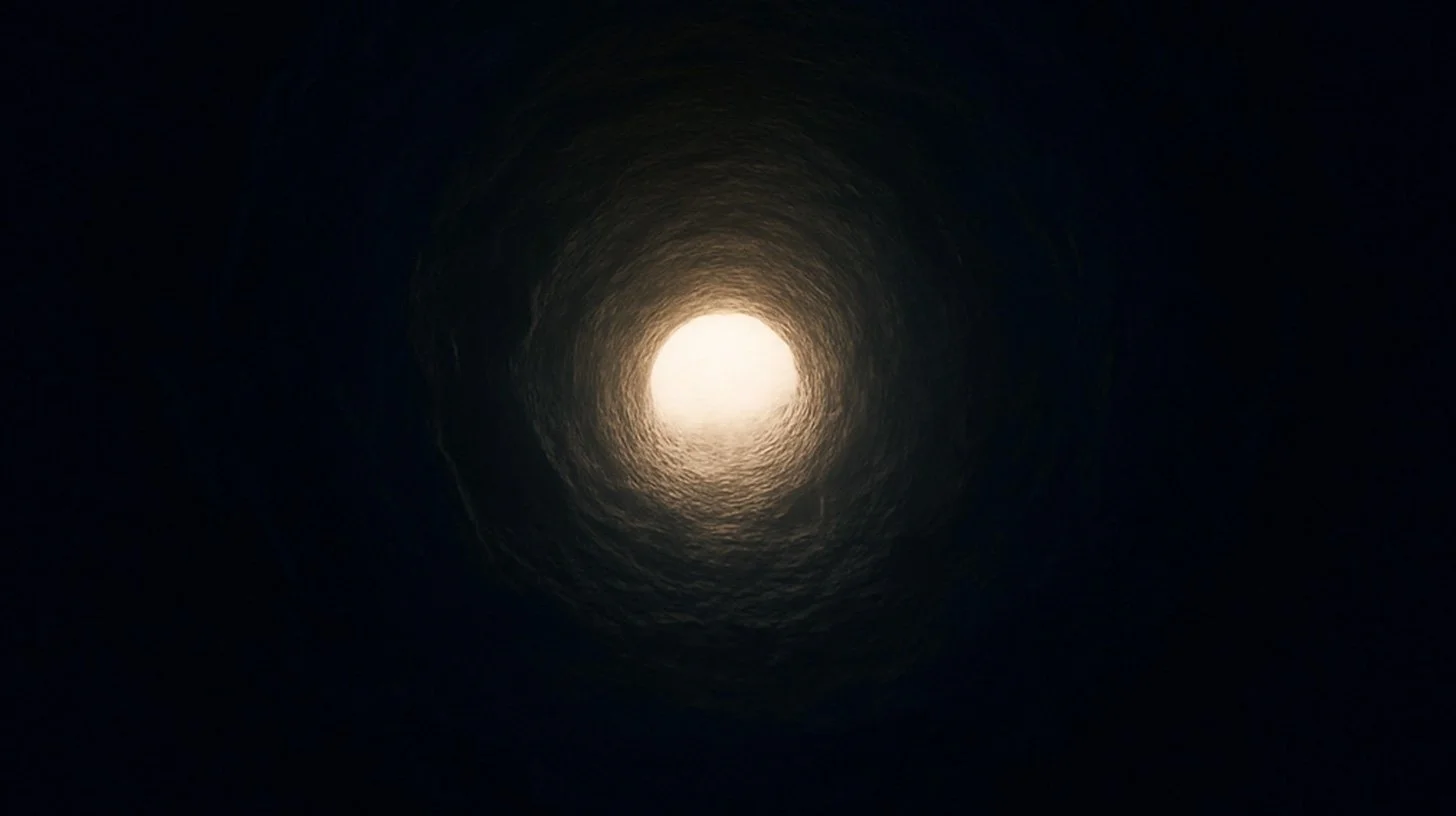
In searching for an exit, the character enters a tunnel of complete darkness where he must learn to navigate without the projections that previously defined his perception. The tunnel ultimately leads him back into the theater, where he realizes that the human experience cannot be escaped — only engaged with more consciously.
The film explores themes of perception, awakening, and collective reality, using generative tools to prototype environments, characters, and cinematic moments that would otherwise be difficult to produce independently.
Title Treatment
Storyboard Sketch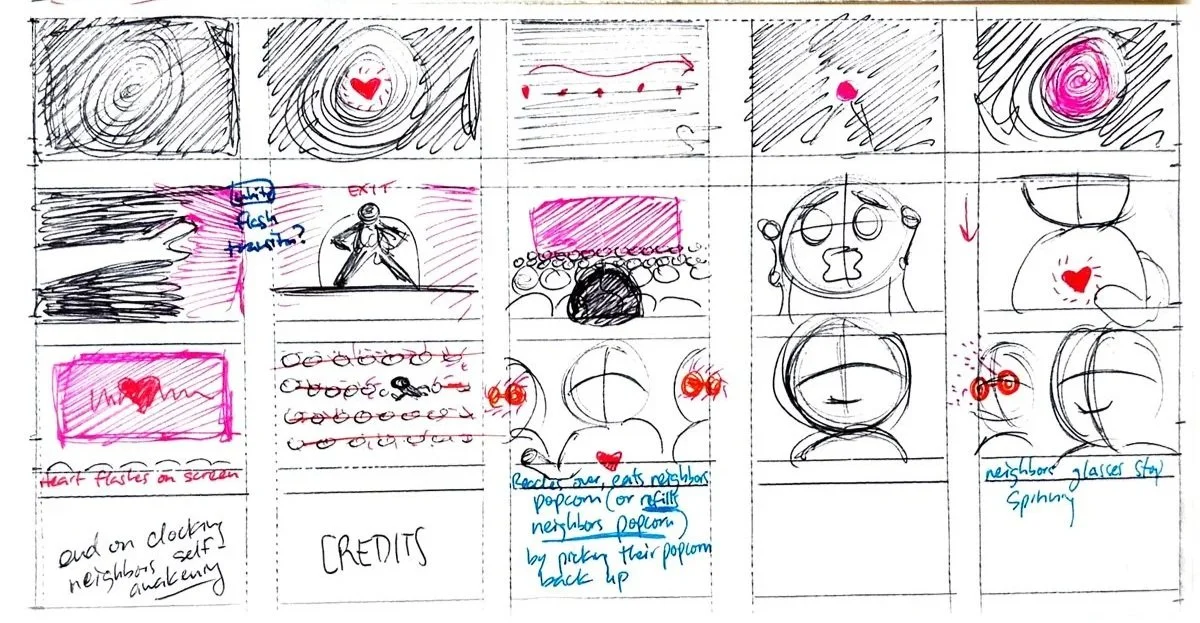
Sample Frames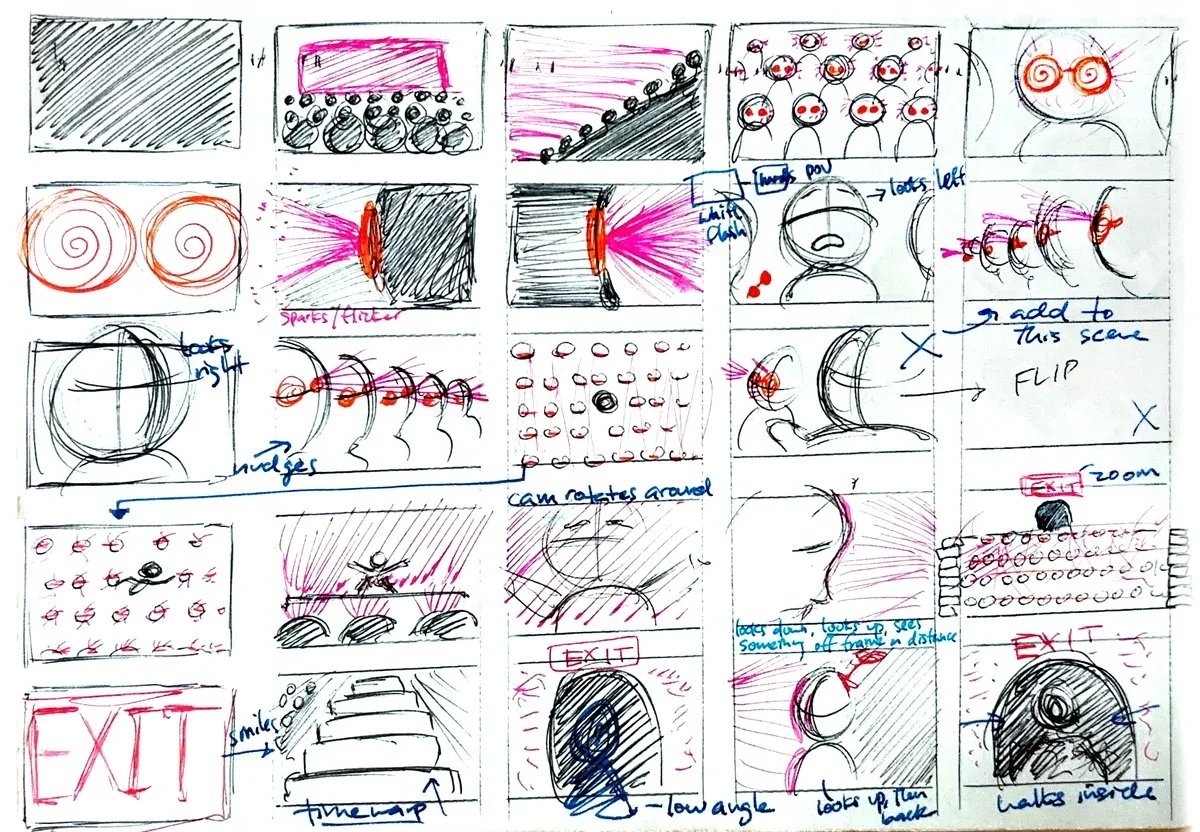

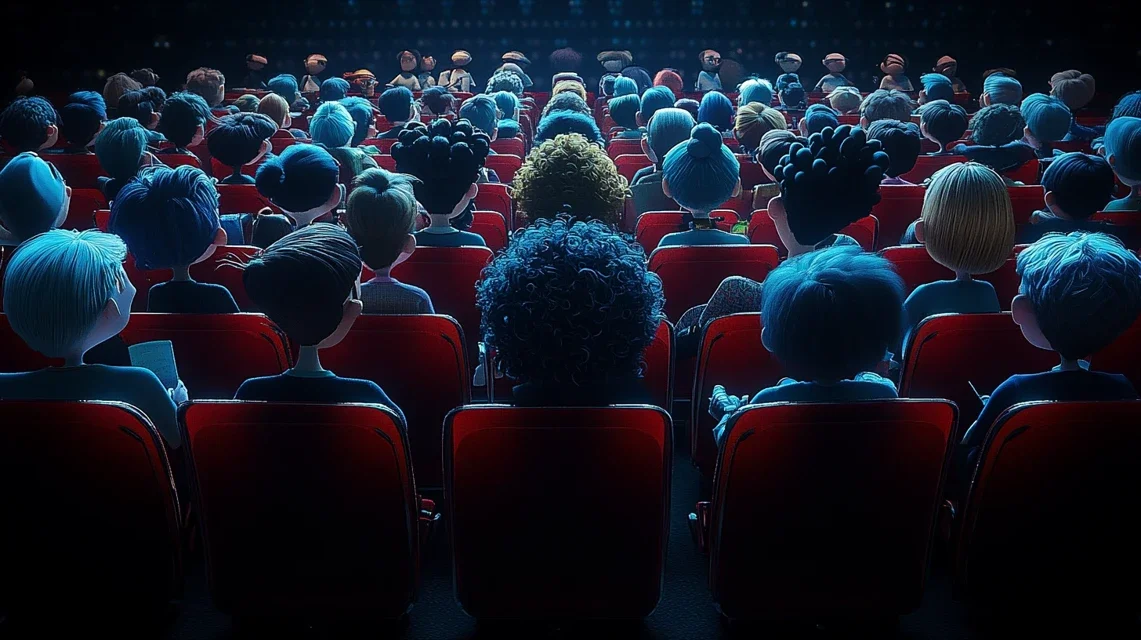
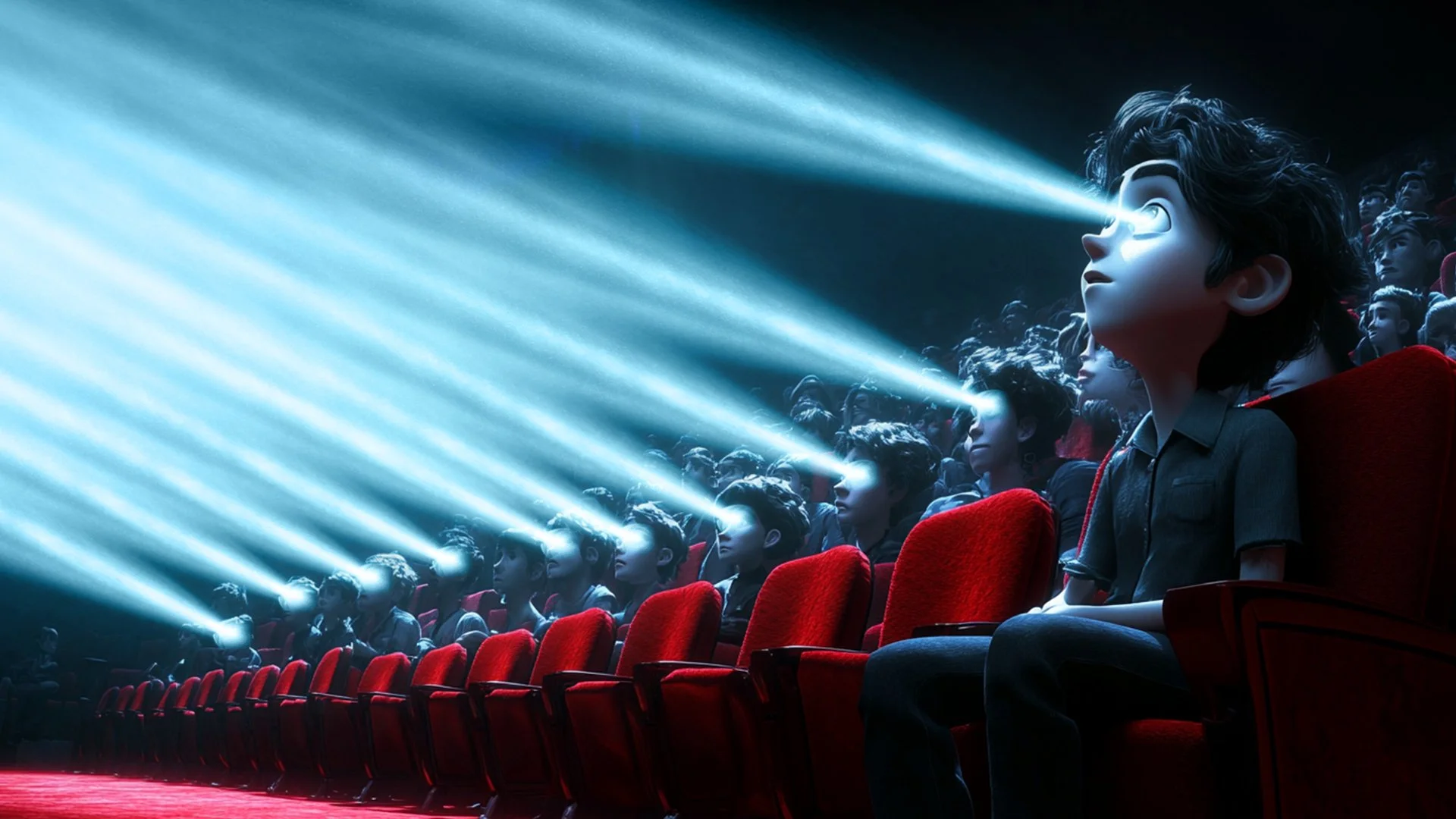









Character Exploration
















Commercial Workflow
Exploring generative systems for visual concepting and campaign development.
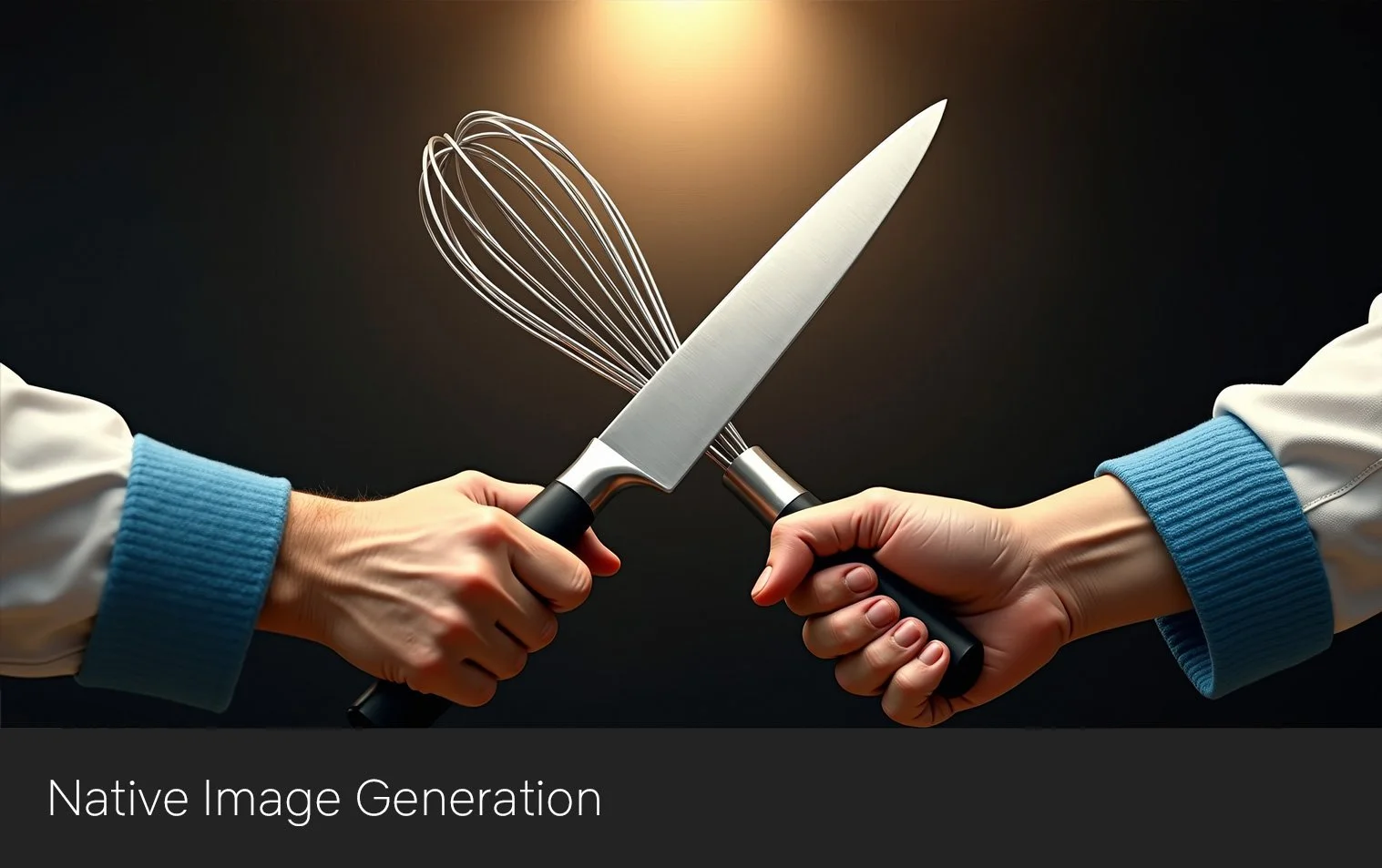
Generative tools are integrated into my campaign workflow to explore visual ideas and accelerate early concept development.
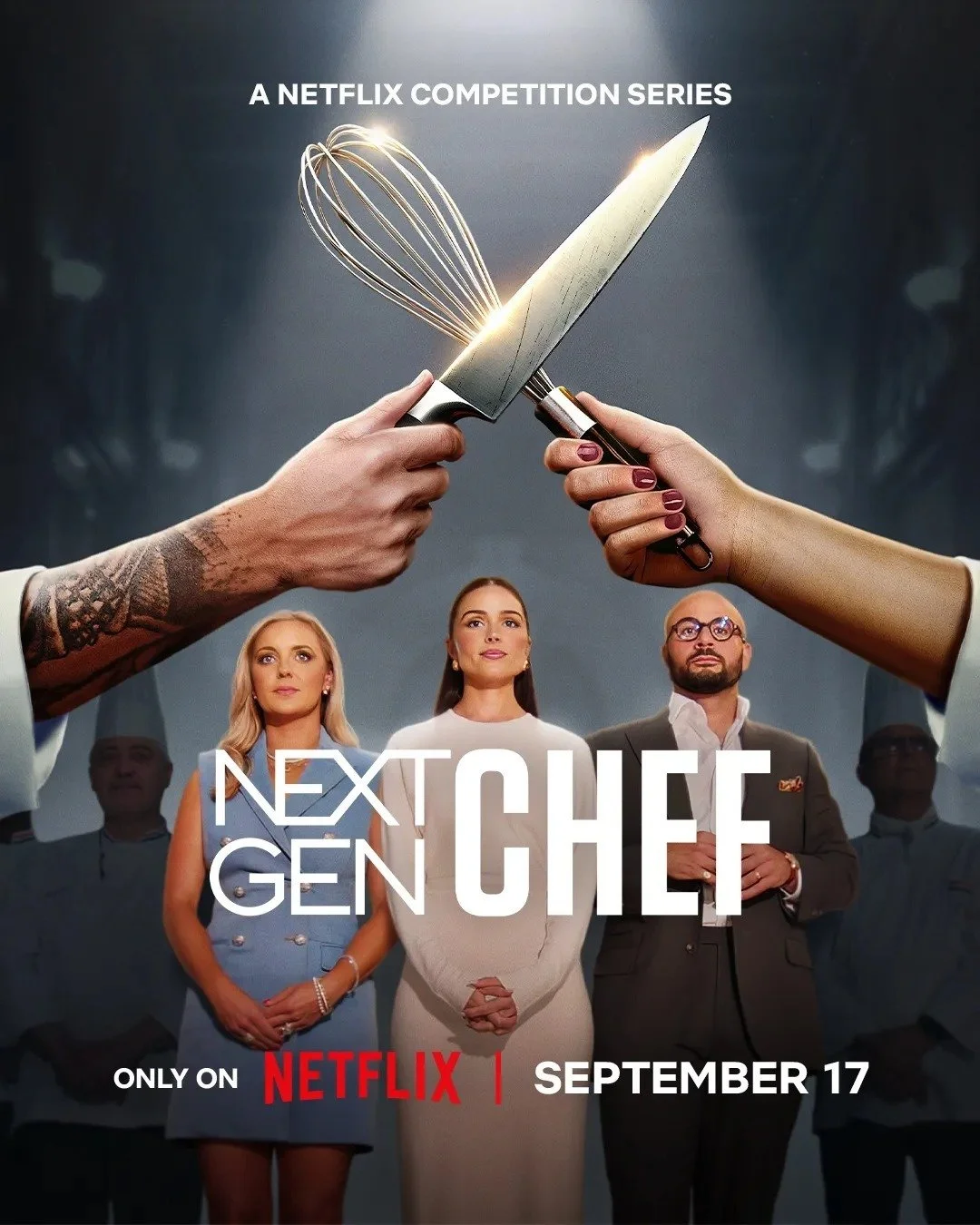
External models are used to prototype compositions and narrative directions during ideation, while Netflix’s native generative system can be used to produce artwork designed for release across the platform.
Together, these tools extend the art direction process — enabling rapid visual exploration while maintaining the craft required for large-scale campaigns.